
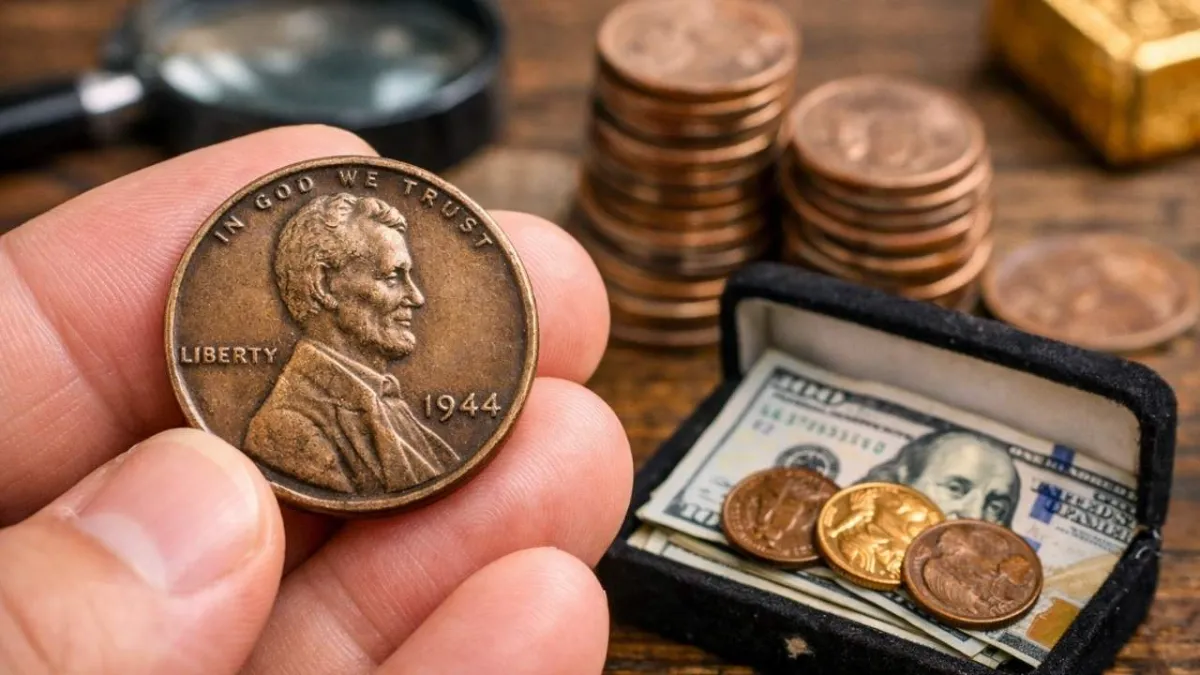
Lincoln Wheat Penny Worth $50K Finding a Lincoln Wheat Penny worth $50,000 in everyday pocket change may sound unbelievable — but rare coin discoveries like this have happened before. For collectors and casual coin hunters alike, the possibility that an ordinary-looking penny could hold extraordinary value keeps the excitement alive.
While most wheat pennies are worth only a few cents, certain rare dates, mint marks, and error varieties can dramatically increase value. Knowing what to look for could make all the difference.
What Is the Lincoln Wheat Penny?
The Lincoln Wheat Penny was minted from 1909 to 1958. It features a portrait of Abraham Lincoln on the front and two wheat stalks on the reverse. It was the first U.S. coin to display a real historical figure.
Because these coins were produced for nearly 50 years, millions still exist today. However, only specific rare examples are worth significant money.
How Can a Wheat Penny Be Worth $50,000?
A wheat penny can reach $50,000 due to three major factors:
Rarity – Low mintage numbers or rare mint marks.
Condition – High Mint State grades dramatically increase value.
Errors – Unique minting mistakes make coins more desirable.
For example, rare varieties such as the 1909-S VDB Lincoln Cent or the famous 1955 Doubled Die Lincoln Cent have sold for tens of thousands of dollars in high-grade condition.
Rare Wheat Pennies That Command High Prices
Here are some wheat pennies known to reach impressive auction prices:
| Year & Mint Mark | Why It’s Valuable | High-Grade Value Range |
|---|---|---|
| 1909-S VDB | Low mintage & designer initials | $10,000 – $100,000+ |
| 1914-D | Scarce Denver issue | $5,000 – $50,000+ |
| 1922 No D | Missing mint mark error | $5,000 – $40,000+ |
| 1955 Doubled Die | Dramatic doubling error | $1,500 – $50,000+ |
Values depend heavily on condition and certification.
How Condition Impacts Value
Two identical coins from the same year can have completely different prices based on condition. A worn coin might sell for under $100, while a nearly perfect Mint State example could sell for $50,000 or more.
Professional grading companies such as Professional Coin Grading Service and Numismatic Guaranty Company evaluate coins using a 70-point grading scale. Coins graded MS65 or higher often achieve premium prices at auction.
Could You Find One in Everyday Change?
Although rare, valuable wheat pennies are occasionally discovered in circulation, old coin jars, estate sales, or inherited collections. Many people overlook older pennies without checking the date or mint mark carefully.
To increase your chances:
-
Check all pennies dated 1909–1958.
-
Look for mint marks under the date (D or S).
-
Inspect for doubling or unusual design features.
-
Avoid cleaning the coin.
Even a small detail can make a large difference in value.
Authentication Is Essential
Before celebrating a big discovery, confirm authenticity. Counterfeits and altered coins exist. Weigh the coin (a genuine wheat penny weighs about 3.11 grams) and compare details with verified examples.
Professional grading ensures accurate authentication and can significantly boost buyer confidence if you decide to sell.
Frequently Asked Questions
1. Are all Lincoln Wheat Pennies valuable?
No. Most common-date wheat pennies are worth only a small premium unless they are rare or in exceptional condition.
2. What is the most famous valuable wheat penny?
The 1909-S VDB and the 1955 Doubled Die are among the most famous high-value examples.
3. Should I clean my old penny?
No. Cleaning can reduce value and damage the coin’s surface.
4. Where can I sell a rare wheat penny?
Certified coins are typically sold through reputable dealers, coin auctions, or major auction houses.
Final Thoughts
The idea of a Lincoln Wheat Penny worth $50,000 discovered in everyday change proves that hidden treasures can still exist. While rare, these finds remind collectors to pay attention to small details. With careful inspection, knowledge of key dates, and professional authentication, you might uncover a valuable piece of history hiding in plain sight.