
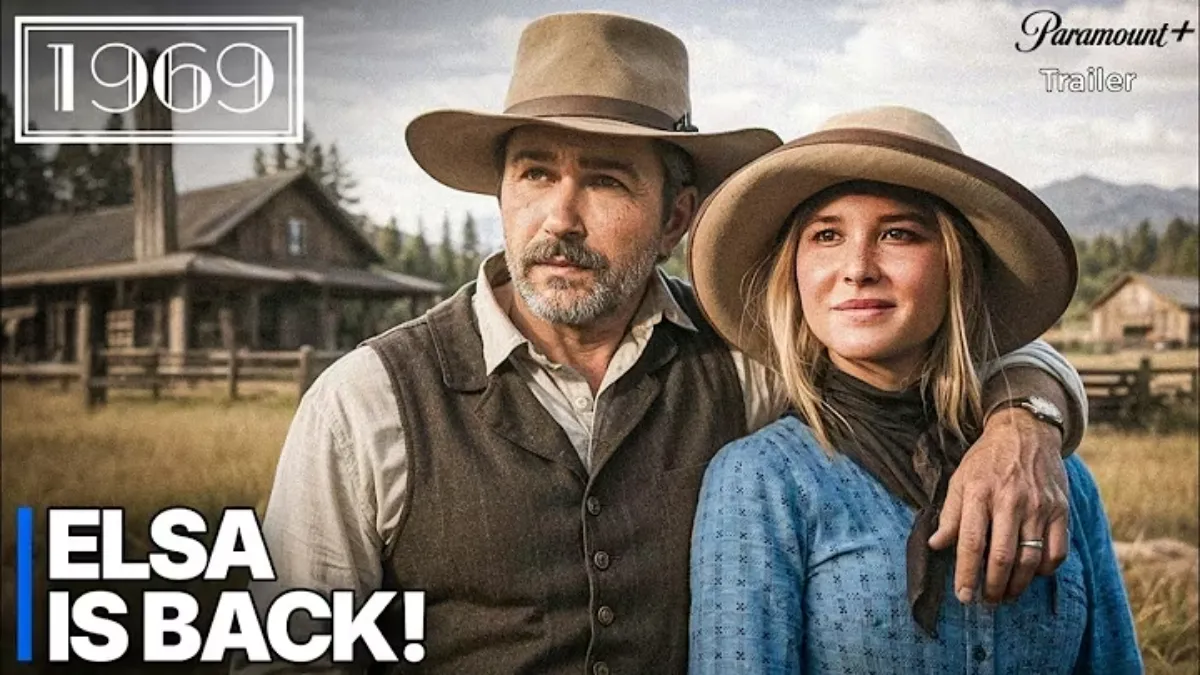
Yellowstone has already created a massive impact in the world of television with its intense family drama, brutal land wars, and powerful storytelling. Now, the first look of “Yellowstone 1969” promises to take viewers back to one of the most turbulent decades in American history. Set in the late 1960s, this chapter of the Dutton family saga appears darker, more emotional, and deeply rooted in cultural transformation.
Unlike earlier prequels, this era is not just about survival against nature — it is about survival against change. The year 1969 represents rebellion, war, shifting values, and the beginning of modernization that directly challenges the ranching legacy the Duttons fought to protect.
A Darker Era for the Dutton Family
The late 1960s were filled with unrest across America. Political movements, generational divides, and social revolutions changed the country forever. In “Yellowstone 1969,” the Dutton ranch faces threats not only from outside developers but also from internal disagreements about the future.
The first look suggests:
-
Land disputes become more aggressive and politically complicated.
-
Younger family members begin questioning traditional ranch values.
-
Violence carries heavier emotional consequences than before.
Compared to 1883 and 1923, this chapter seems less about physical survival and more about moral survival. The Duttons are no longer pioneers building something new; they are guardians fighting to protect something that may be slipping away.
The tension feels personal. The ranch is not just land — it represents identity, pride, and legacy.
Gritty Tone and Realistic Western Atmosphere
The creative direction of “Yellowstone 1969” appears intentionally darker. The storytelling is expected to embrace a grounded, realistic tone rather than romanticizing the Western lifestyle.
Key stylistic elements include:
-
Raw and weathered character portrayals reflecting hard ranch life.
-
A more intimate focus on emotional conflict rather than wide scenic shots.
-
Realistic depictions of violence with lasting impact.
Unlike the modern corporate battles seen in Yellowstone, this timeline blends traditional cowboy culture with a society experiencing rapid transformation. The 1969 setting adds layers of complexity — the Vietnam War era, youth rebellion, and political tension influence decisions on the ranch.
This creates a Western that feels heavier and more psychologically intense.
Themes of Tradition vs Change
One of the strongest aspects of this new installment is its thematic depth. The late 1960s symbolize a turning point in American identity. The Dutton family must decide whether to adapt or resist the shifting world around them.
Major themes likely explored:
-
Tradition vs Modernization – Can the ranch survive industrial expansion?
-
Family Loyalty vs Personal Beliefs – What happens when ideology divides blood ties?
-
Power and Responsibility – Is protecting legacy worth moral compromise?
The emotional stakes are higher because this generation stands between history and the future. Decisions made in 1969 could directly shape the conflicts seen decades later.
This chapter may show how cracks began forming within the Dutton family structure, eventually influencing the modern timeline.
Where It Fits in the Yellowstone Timeline
The Yellowstone franchise has successfully expanded through multiple timelines. “1969” acts as a bridge between early hardship and present-day power struggles.
| Series Title | Time Period | Core Focus | Tone |
|---|---|---|---|
| 1883 | Post-Civil War | Migration & survival | Harsh and emotional |
| 1923 | Prohibition era | Economic hardship | Intense and dramatic |
| Yellowstone | Present day | Land & political power | Aggressive modern drama |
| 1969 | Cultural revolution | Tradition vs change | Dark and psychological |
This placement allows viewers to understand how generational decisions shaped the Dutton legacy. It fills the emotional and historical gap between early settlers and modern ranch warfare.
Why Fans Are Excited
The first look of “Yellowstone 1969” has sparked strong anticipation among fans. The idea of exploring the ranch during such a volatile decade adds freshness to the franchise.
Reasons for excitement include:
-
A rarely explored Western timeline set in the 1960s.
-
Darker and more morally complex storytelling.
-
Stronger emotional character arcs rooted in generational conflict.
The late 1960s Western setting is unique because it blends cowboy tradition with counterculture transformation. It offers an opportunity to see how the American West evolved from open frontier ideals to a modern battleground of business and politics.
1. What is Yellowstone 1969 about?
It explores the Dutton family during 1969, focusing on land conflicts, generational tension, and the impact of national cultural changes.
2. How is it different from 1883 and 1923?
While those series focused on survival and economic hardship, “1969” emphasizes psychological conflict and modernization pressures.
3. Will it connect to the main Yellowstone storyline?
Yes, it is expected to reveal events that shape the future seen in the original Yellowstone series.
4. What tone should viewers expect?
A dark, gritty, and emotionally intense Western drama with strong character-driven storytelling.
Final Thoughts
“Yellowstone 1969” appears ready to deliver one of the most complex chapters in the Dutton saga. By setting the story during a decade defined by rebellion and change, the series has the potential to explore deeper emotional and political themes than ever before.